THE HOMEOWNER’S SOLAR GUIDE

Cash or monthly solar?
Find your starting point.

Cash: buy the system and take responsibility for ownership. PPA or lease: preserve upfront cash, with a long-term payment agreement. Both can leave a utility bill.

Find my fit Ready for your numbers? Get my quote.

Four questions. No email required. Your estimate confirms the actual costs and eligibility.

YOUR NEXT MOVE

Which path fits
your priorities?

Four quick questions. No contact details required to see your recommendation.

This fit check runs in your browser. It does not check credit, qualify your property or calculate savings. No answers are sent from this page. We count starts and completions without recording your answers.

Already know you want numbers? Upload your bill.

Compare your options with a real estimate.

Enable JavaScript for the four-question fit check, or go straight to a reviewed comparison.

Upload my bill →

TWO WAYS TO GET SOLAR

Choose how you pay.
Not just a lower-looking number.

Cash is a purchase. A power purchase agreement, or PPA, is a long-term agreement to buy electricity from a system someone else owns. Some markets offer a lease instead: you pay for use of the equipment.

CASH PURCHASE

Your system.
Your long-term investment.

Pay for the installation upfront. No ongoing solar purchase payment or financing interest. You still pay for electricity you need from the utility.

You own
The installed system
You prioritize
Ownership and long-term value
You evaluate
Upfront price, payback and future upkeep
You manage
Service needs, with applicable warranty support
Explore ownership

MONTHLY PPA / LEASE

Keep your cash.
Buy a different energy plan.

Eligible $0-down programs avoid the system purchase. The provider owns it; you make contracted payments and retain a utility bill for remaining charges.

The provider owns
The system and applicable incentives
You prioritize
Cash preservation and managed service
You evaluate
Combined bills and the full agreement
The provider handles
Covered monitoring, maintenance and repairs
Explore monthly solar

$0 down and program availability are subject to eligibility and approval. Axia financing overview · California Solar Consumer Protection Guide

You do not have to choose today. Request a side-by-side estimate based on your bill.

Compare my options

THE NUMBER THAT ACTUALLY MATTERS

A smaller solar payment
is not the whole answer.

Compare your total electricity spending for the same period. A PPA is a shift in where you buy power, not a promise that your utility bill disappears.

WITHOUT SOLARUtility electricity costSame usage and rate assumptions
WITH MONTHLY SOLARSolar payments+ remaining utility bill
+ applicable fees
THE DIFFERENCEPotential savingsPositive, zero or negative

Monthly solar: savings from activation, if the math works.

Ask for first-year costs, future scheduled payments and a no-utility-rate-increase scenario. An escalating PPA payment is a contract obligation. Rising utility prices are an assumption.

Cash: recover the investment, then build value.

Payback is when accumulated net savings recover your upfront cost. Include remaining utility charges, upkeep and replacements, and only verified incentives. No interest does not mean instant payback.

A production guarantee is not a savings guarantee. California export credits can differ substantially from the retail price of electricity, so generation alone does not establish bill savings. CPUC net billing information

KNOW WHAT COMES WITH EACH OPTION

Clarity now.
Fewer surprises later.

01 / OWNERSHIP

More control.
Real responsibilities.

Ownership gives you greater flexibility over the asset. Changes still need to respect warranties, permits and utility interconnection requirements.

What should the cash quote include?

The complete installed price, equipment, battery and backup scope, site adders, payment milestones and separate warranty terms. Compare installation workmanship, roof penetrations, panels, inverter and battery coverage individually.

Own your solar. Protect it for 30 years.

Our eligible cash-project offer includes Solar Insure’s SI-30 Solar: a 30-year limited warranty for covered panels, inverters, optimizers and racking, including parts and labor for covered repairs. It is not included unless confirmed in your written quote; activation requires certified-provider enrollment and an issued warranty certificate.

What does the 30-year protection cover?

Eligible equipment defects and failures are covered under the warranty terms. Roof protection is limited to resealing and reflashing within 3 inches of solar installation penetrations, not a whole-roof warranty.

Battery coverage is separate. With Powerwall 3, the integrated inverter also needs explicit coverage confirmation. We confirm the exact equipment and coverage in your proposal.

Workmanship, wiring and property damage are not blanket-covered. General electrical workmanship and production or performance guarantees are excluded. Solar Insure is not a replacement for homeowner’s insurance or the installer’s warranty.

Review Solar Insure’s terms and exclusions
Is cash always the best return?

No. It depends on your price, tariff, production, costs and time in the home. Cash avoids financing interest, but ties up capital. Compare lifetime net benefit and payback, not a PPA’s monthly savings against a cash purchase price.

What about the federal tax credit?

For new installations placed in service after December 31, 2025, the federal residential clean energy credit under Section 25D is unavailable. We do not subtract an assumed 30% credit from your cash price. Other incentives need separate verification.

Check the IRS guidance
Does owning mean no more utility bills?

No. Grid electricity, fixed charges and how exports are credited can leave a bill. Storage may improve self-consumption, but it does not eliminate every charge.

02 / MONTHLY SOLAR

Less upfront cash.
A longer commitment.

Axia describes a 25-year monthly program. Your actual state-specific agreement controls the product, payments, service coverage and exit options.

Is a PPA the same as a loan or lease?

No. A loan finances a purchase. A PPA charges for electricity generated; a lease charges for using equipment. Neither a PPA nor a lease makes you the system owner. We identify the actual offer in your comparison.

Will the payment increase?

It may. Compare the quoted starting rate or payment, annual escalator, billing basis and total scheduled cost. Axia training describes both no-escalator and escalating choices; availability must be confirmed. Check whether the displayed payment assumes autopay.

Are maintenance and repairs really covered?

Provider-managed service reduces the work you manage, but it is not “zero liability.” Check exclusions, damage responsibility, roof work, access requirements and battery replacement terms. Covered repairs do not erase your payment obligations.

What happens when I sell or reach the end?

Review buyer qualification, transfer, buyout pricing, removal and renewal deadlines before signing. Ownership does not automatically become free. Do not assume an unrestricted buyout after year five or a cost-free early exit.

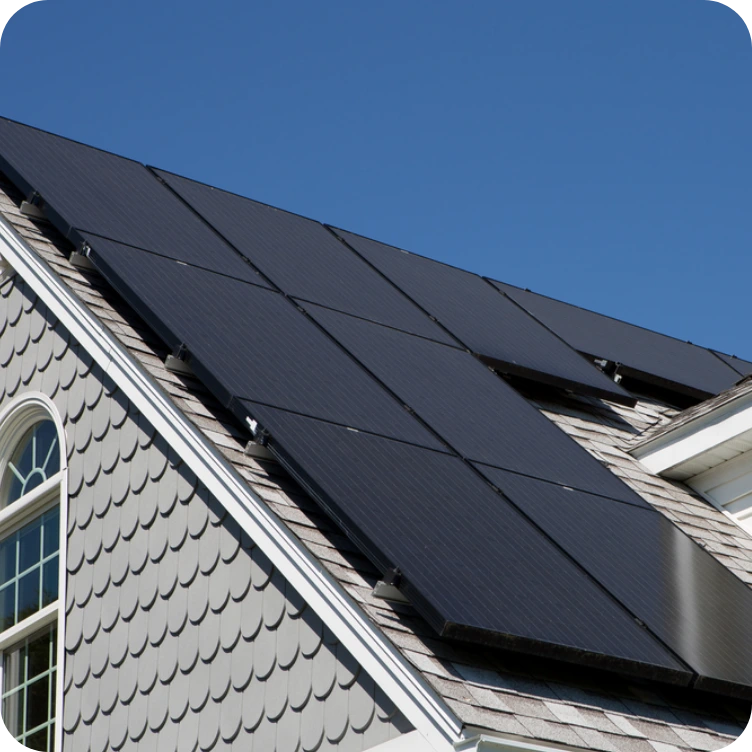
FTC consumer guidance · Axia payment options. Confirm the current Aurora-generated agreement before committing.

Axia solar installation on a homeDESIGN FIRST. PAYMENT SECOND.

SAME HOME. SAME DESIGN.

Compare the complete system.

Our starting design pairs Qcells 430W panels with Powerwall 3 when storage is appropriate, subject to Axia availability and site review. Do not compare a solar-only price with a solar-plus-backup offer.

  • Bill savings and outage protection are different jobs. Battery reserve, usage and utility rates affect both.
  • Backup is designed, not assumed. Confirm battery count, required backup equipment, supported circuits and realistic runtime. Solar alone generally will not power your home during an outage.
  • Know your support path. Summit National prepares and explains your options. Axia manages the project, installation and warranty support; the applicable agreement identifies each provider’s responsibilities.

BEFORE YOU SAY YES

Your comparison should answer these.

  1. What am I getting?Same equipment, production assumptions, battery and installation scope.
  2. What will I actually spend?Cash price or monthly terms, remaining utility costs and applicable fees.
  3. What changes over time?Escalation, modeled utility rates, repair exposure and your time in the home.
  4. How do I leave or move?Transfer, cancellation, buyout, removal and end-of-term options.
What happens after the estimate?

You review the proposal before any decision. If you proceed with monthly solar, eligibility checks and program onboarding follow; Axia’s current process includes a video welcome call. “No consultation required” applies to getting your estimate, not a promise of no verification calls or credit checks later. Engineering, permitting, installation and utility approval follow the agreed process.

TURN CLARITY INTO YOUR OWN NUMBERS

Your bill is the starting point.

Upload a recent electricity bill. Add your name and email; phone is optional. Our team reviews your usage and prepares your Aurora estimate, with a brief walkthrough and next steps, delivered to your inbox.

Upload my bill

PDF, JPG or PNG, up to 10 MB. Private upload. No payment or consultation required.